- Offerings
- Tools & Platforms
Tools & Calculators
- Open API
- Calculators
- SIP Calculator
- CAGR Calculator
- Compound Interest Calculator
- FD Calculator
- RD Calculator
- EPF Calculator
- Retirement Calculator
- HDFC SIP Calculator
- Mutual Fund Return Calculator
- Lumpsum Calculator
- Step Up SIP Calculator
- ETF SIP Calculator
- Brokerage Calculator
- Equity Margin Calculator
- SWP Calculator
- EMI Calculator
- MTF Calculator
- Pricing
- SKY Learn
- Mutual Funds
- Margin Trading
- Financial Planning
- Personal Finance
- Share Trading
- IPO
- Derivatives
- Currencies
- Intraday Trading
- Trading Strategies
- Demat Account
- Commodity
- ETF
- What Are Single Candlestick Patterns?
- What Do Single Candlestick Patterns Indicate?
- What Are the Different Types of Single Candlestick Patterns?
- How Do You Read the Single Candlestick Pattern in Technical Analysis?
- How Do You Trade In the Stock Market Using a Single Candlestick Pattern?
- Advantages and Limitations of Single Candlestick Patterns
- Conclusion
- FAQs on Single Candlestick Patterns in Trading
- What Are Single Candlestick Patterns?
- What Do Single Candlestick Patterns Indicate?
- What Are the Different Types of Single Candlestick Patterns?
- How Do You Read the Single Candlestick Pattern in Technical Analysis?
- How Do You Trade In the Stock Market Using a Single Candlestick Pattern?
- Advantages and Limitations of Single Candlestick Patterns
- Conclusion
- FAQs on Single Candlestick Patterns in Trading
Single Candlestick Patterns in Trading
By HDFC SKY | Updated at: May 20, 2025 11:49 AM IST
When it comes to technical analysis, few tools offer insights as immediate and visual as candlestick charts. In a single price bar, a single candlestick pattern can show you changing market sentiment for a specific period. Learning to read these patterns can really help both beginner and experienced traders and investors to understand the market.
We’ll cover what single candlestick patterns are, why they are important, the types you should know and how to integrate them into your trading strategy below in the most natural, straightforward way possible.
What Are Single Candlestick Patterns?
A single candlestick pattern is formed by the price action of one candle on a candlestick chart within one trading period.
Unlike patterns that require multiple candles for confirmation, a single candlestick can provide traders with valuable information about potential price reversals or continuations. These formations provide traders with an immediate snapshot of market sentiment, whether bullish, bearish, or neutral.
Candlestick single formations are particularly useful for traders looking for rapid signals. Single candle pattern chart signals can be strong, but they are usually most effective when used along with other methods of analysis. This enables you to validate the odds of the pattern behaving as you expect.
What Do Single Candlestick Patterns Indicate?
Single stick patterns can indicate:
- A change from bullish to bearish (or the other way around) trend
- A continuation of a trending price action
- A state of suspense in which buyers and sellers are on equal footing
- Movements in trading momentum that won’t be clear from a line chart alone
Look at the length of the candle body and wick when looking at a single candlestick pattern chart. These reveal the power dynamics between buyers and sellers.
While no single candlestick chart pattern can offer a 100% guarantee, they are essential tools for traders who rely on quick signals to make trading decisions.
What Are the Different Types of Single Candlestick Patterns?
Single candlestick patterns come in various forms, each telling a unique story about the market from the patterns they create. Here’s a small table showing some of the most common types of single candlesticks:
| Pattern | Potential Signal | Characteristics |
| Inverted Hammer | Bullish Reversal | Small body, long upper wick, short or no lower wick |
| Doji | Indecision or Reversal | Almost no real body, wicks can vary in length |
| Shooting Star | Bearish Reversal | Small body, long upper wick, little or no lower wick |
| Hanging Man | Bearish Reversal | Small body, long lower wick, minimal upper wick |
| Marubozu | Strong Momentum (Bullish/Bearish) | No wicks, the candle body forms the entire range |
| Spinning Top | Indecision | Short body, wicks of nearly equal length |
| Bullish Harami | Bullish Reversal | Small bullish body inside the previous large bearish candle body |
| Long-Legged Doji | High Indecision | Very long wicks on both sides, extremely small body |
| Gravestone Doji | Bearish Reversal | No real body, very long upper wick |
| Evening Star Forex | Bearish Reversal | Occurs at market tops, a small candle gap after a bullish candle |
Inverted Hammer Candlestick Pattern
An Inverted Hammer can indicate a bullish reversal. It occurs following a downtrend with a small body at the base of the candle and a long upper wick. This could indicate buyers attempted to push prices up, suggesting the downtrend might be losing momentum.
Doji Candlestick Pattern
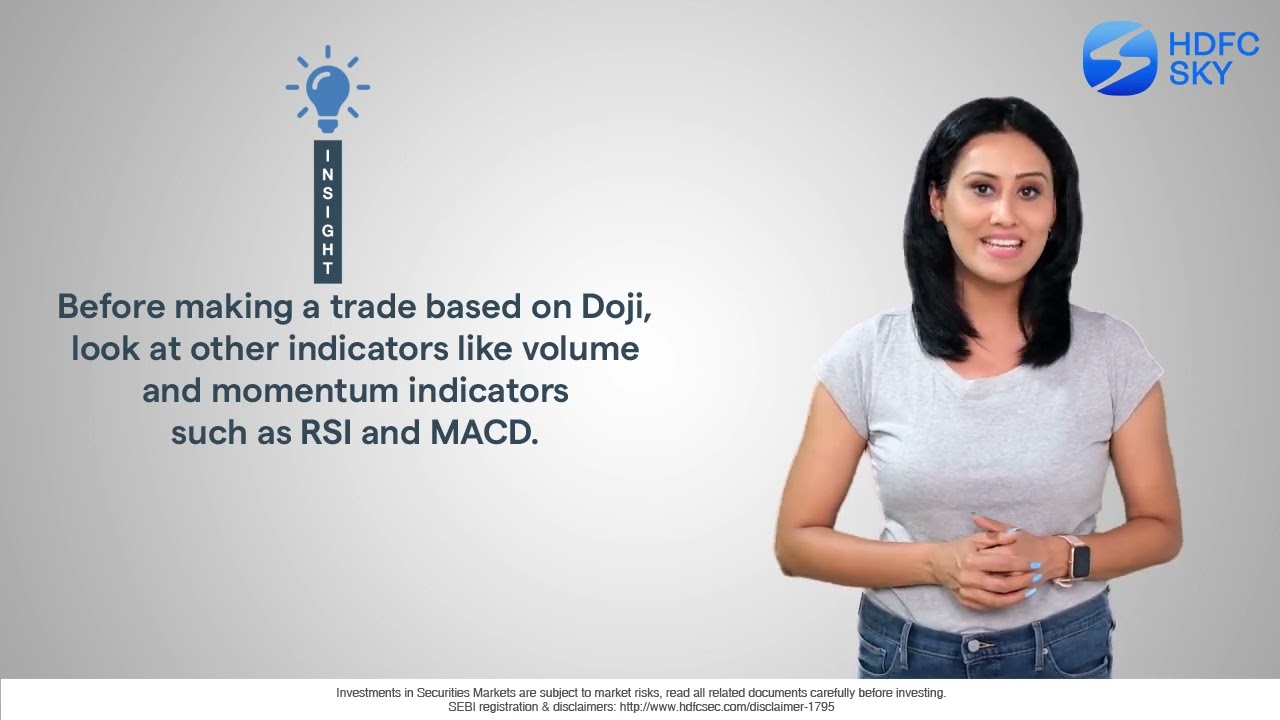
When an open and close price are practically the same, a Doji is produced with a very small real body. Dojis are crucial to any single candlestick strategy as they represent indecision.
The market may break in either direction; watch for volume and subsequent candles to validate whether the sentiment switch will be bullish or bearish.
Shooting Star Pattern
The Shooting Star is a bearish single candlestick pattern and usually forms at the end of an uptrend. It has a small body toward the bottom of the candle and a long upper wick. This structure denotes that the buyers really tried to push the price up, but they lost that momentum, thus allowing the sellers to enter the arena.
Hanging Man Candlestick Pattern
The Hanging Man is essentially the bearish counterpart of the Hammer pattern. It appears in an uptrend and usually signals a bearish reversal.
The candle has a small body at the top and a long lower wick, highlighting that sellers are gaining strength even though buyers have driven the market upward.
Marubozu Candle Pattern
Now, a Marubozu candle has no wicks. It’s made up solely of a real body and can be of either kind, bullish or bearish.
This single candlestick pattern chart usually indicates solid momentum. A bullish Marubozu candle indicates strong buyers’ interest, and a Marubozu bearish candle means strong sellers’ interest.
Spinning Top Candlestick Pattern
Spinning Top has a small body with an equal length wick on either side. This shape represents indecision or equilibrium in the market.
Neither buyers nor sellers have a distinct advantage. It is one of the frequent formations seen in single candle chart pattern studies to identify potential trend pauses.
Bullish Harami Candlestick Pattern
While some traders categorise Harami as a multi-candle pattern, the Bullish Harami can also appear to stand out on its own when a small bullish candlestick forms within the range of a previous bearish candle.
This indicates a potential switch in market sentiment, and thus is an important component of bullish single candlestick patterns.
Long-Legged Doji Candlestick Pattern
The Long-Legged Doji has very long wicks on both sides and a very small real body. It displays very great volatility and even plenty of uncertainty.
Buyers and sellers are in a fierce competition, where neither side gets to dominate for very long. Here, patience is key. The next candle usually confirms the winning sentiment.
Gravestone Doji Pattern
A Gravestone Doji is a bearish pattern typically found at the top of an uptrend. It has a very long upper wick and almost no lower wick or real body.
This formation suggests a considerable resistance at those higher levels and indicates that the sellers eventually overwhelmed the buyers who initially forced the price higher.
Evening Star Forex Pattern
Although it is called the Evening Star Forex Pattern, it is not limited to currency pairs. This pattern usually consists of a bullish candle followed by a tiny neutral or bullish candle, then closes with a strong bearish candle.
The middle candle itself can often show up as a single candlestick pattern (like a Doji), signalling the exhaustion of buyers.
How Do You Read the Single Candlestick Pattern in Technical Analysis?
For this kind of analysis, we only need one bar, hence the name single candlestick pattern. Here are the details you need to consider when reading a single candle pattern:
- Body Size and Colour: A large green (bullish) body often signals strong buying pressure, while a large red (bearish) body usually indicates strong selling pressure.
- Wicks (Shadows): A long upper wick can mean a price rejection at higher levels.
A long lower wick can indicate a strong rebound from lower prices. - Location in the Trend: The location of the candlestick in the trend provides much-needed context. For example, an Inverted Hammer after a downtrend carries more weight than one appearing in a sideways market.
- Volume: If volume spikes during the formation of a single candle pattern, it often confirms a stronger sentiment change.
By consistently applying these considerations, you can make more accurate judgments about whether a single candlestick chart pattern will hold firm or if the market will just dismiss it and continue its original path.
How Do You Trade In the Stock Market Using a Single Candlestick Pattern?
Using single candlestick patterns for trading effectively starts with a step-by-step process. This process involves:
- Identify the Pattern: Spot the candlestick single formation early by observing real-time price movements.
- Confirm with Indicators: Use additional tools (like RSI, MACD, or support and resistance levels) to validate the pattern’s signal.
- Set Entry Points: If you’re bullish, wait for a breakout above the candle’s high. If bearish, wait for a close below the candle’s low.
- Manage Risk: Always place stop-loss orders to limit potential losses. For instance, if trading a bullish single candlestick, place a stop-loss below the candlestick’s low.
- Monitor Volume: A volume surge often provides additional confirmation of the pattern’s strength.
This simple single candlestick strategy can be adapted for different timeframes, market conditions, and trading styles.
Advantages and Limitations of Single Candlestick Patterns
Below is a concise overview of the advantages and limitations of single candlestick patterns. While these formations can offer valuable insights into market sentiment, understanding both sides will help you apply them more effectively.
Advantages of Single Candlestick Patterns
- Quick Signals: Provide immediate insight into price action.
- Easy to Spot: Ideal for beginners due to their simplicity.
- Versatile: Work across different markets and timeframes.
- Minimal Data Needed: Even a single candle chart pattern can reveal shifts in market momentum.
Limitations of Single Candlestick Patterns
- False Signals: Relying on just one candlestick can sometimes lead to misleading reversals.
- Subjective Interpretation: The exact shape or size of the candlestick can be open to debate.
- Requires Confirmation: Often needs support from indicators like RSI or MACD for better accuracy.
- Market Noise: Rapid or volatile markets may invalidate signals faster than slower conditions.
When used properly, single candlestick patterns can significantly enhance your market insights. However, always combine them with sound risk management and supplementary technical indicators to reduce the chances of misreading price movements.
Conclusion
A single candlestick pattern can be quite the weapon to have in a trader’s arsenal. Whether you want to get started on single candlestick patterns for beginners or improve your advanced strategy, these patterns will give you quick hints about the market. Knowing the types of single candlesticks potentially allows any trader to develop a single candlestick trading strategy that aligns with their trading objective. The more you put these setups into practice and refine how you trade them, the better you will be at managing to anticipate the actions of market movements and managing your trades.
Be aware that there is no single candle chart pattern that guarantees success. They can be used in conjunction with a solid trading plan that involves risk management, volume analysis, and more technical indicators. Single candlestick patterns can help improve your reading ability in the long run with practice, so you may find it useful in trading decisions.
Related Articles
FAQs on Single Candlestick Patterns in Trading
How reliable are Single Candlestick Patterns in predicting price movements?
They can be rather reliable, but they’re not infallible. Confirmation with other indicators or volume trends is always to be had to validate the candlestick outcome.
Are Single Candlestick Patterns and Candlesticks the same?
Candlesticks are the graphical representation of price data. Single Candlestick Patterns refer to specific shapes or forms that candlesticks can take.
Can Single Candlestick Patterns be combined with other indicators for better accuracy?
Yes. It’s common to pair these patterns with RSI, MACD, or support and resistance levels to confirm signals.
How do Single Candlestick Patterns help in technical analysis?
They reveal immediate market sentiment changes, aiding in quick decision-making for potential reversals or continuations.
How do you read a single candlestick?
To interpret market momentum and potential shifts, focus on the candle’s body size, wick length, and position in the overall trend.
How should traders use Single Candlestick Patterns for risk management?
Traders typically set stop-loss orders around significant candle highs or lows to minimise losses if the signal fails.
Can single candlestick patterns be used for all timeframes?
Yes. They are applicable to multiple timeframes, but as timeframes get shorter, more fake signals can be produced. Make sure to obtain further data and couple this with other technical indicators to verify.