- Offerings
- Tools & Platforms
Tools & Calculators
- Open API
- Calculators
- SIP Calculator
- CAGR Calculator
- Compound Interest Calculator
- FD Calculator
- RD Calculator
- EPF Calculator
- Retirement Calculator
- HDFC SIP Calculator
- Mutual Fund Return Calculator
- Lumpsum Calculator
- Step Up SIP Calculator
- ETF SIP Calculator
- Brokerage Calculator
- Equity Margin Calculator
- SWP Calculator
- EMI Calculator
- MTF Calculator
- Pricing
- SKY Learn
- Mutual Funds
- Margin Trading
- Financial Planning
- Personal Finance
- Share Trading
- IPO
- Derivatives
- Currencies
- Intraday Trading
- Trading Strategies
- Demat Account
- Commodity
- ETF
Understanding Business Cycles: Phases and Impact on Companies
By HDFC SKY | Updated at: May 19, 2025 12:06 AM IST
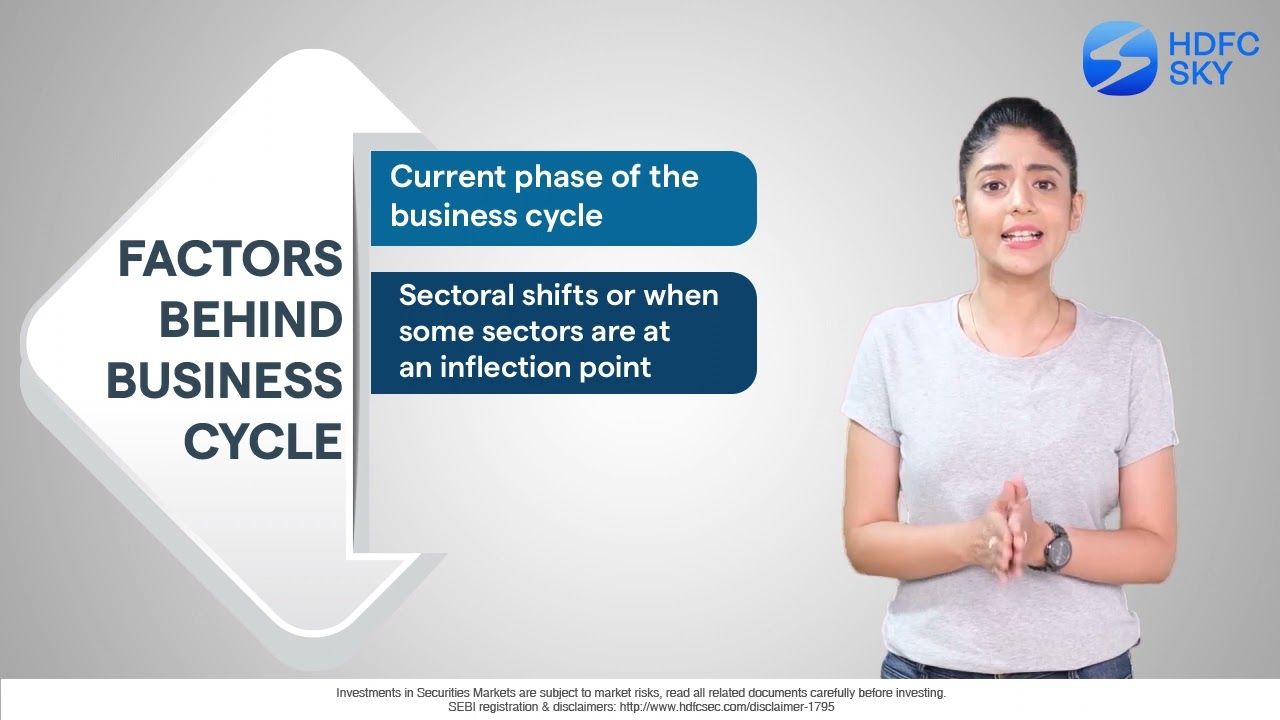
What do businesses typically strive to achieve? All the hard work revolves around providing value to its customers, keeping both internal and external stakeholders happy, and generating profits.
But businesses also reflect the health of the economy in which they operate. So, they also tend to stay in tandem with the economy, going through similar cycles of expansion, peak, contraction, trough, and then recovery as we learned in the previous chapter. However, their lifecycle will also parallelly depend on various other factors such as the industry they operate in, the competition, consumer preferences, etc. Let’s try and understand how every business goes through these phases.
Launch:
This is the phase in which organizations are starting up. They will spend more time in identifying the right product or service mix, conducting market research to gauge customer preference etc. This is the investment stage and focus on profits will be minimal.
Growth or expansion:
In this phase, companies look to scale up their operations or increase presence across regions. This can help in creating a larger footprint, growing its customers as well as improving overall top-line.
Maturity phase:
By this time the revenues are more predictable, customers are fairly loyal, due to the nature of product / service and the brand the company has built.
Decline phase:
After the company reaches a reasonable size, the revenues tend to start tapering off.
As in economic cycles, there is no fixed duration for each business cycle. They vary across sectors, regions and even how the company is run.
There are various factors which affect these business cycles in the long run:
Links to economic cycles:
The two are deeply interconnected. An overall boom in the economy will see a lot of companies being in the growth stage due to the amount of money circulating in the economy. As soon as the money gets pulled out, it negatively impacts the companies.
Sectoral (Cyclical) demand:
Certain sectors have a higher demand at a given point in time, and companies in that space will do better than others. For example, there is a gradual shift to electric vehicles so auto companies with presence in EVs are likely to benefit.
Government policies:
If government policies are favorable, companies tend to do better. For example, companies in the semiconductor space in India will likely benefit from the $100 billion investments that the government plans to make in the space over the next five years.
Sudden shift in customer preferences:
Certain triggers can change the preferences of customers and make companies quickly shift gears from growth to decline. For example, in the aftermath of Covid-19, travel world over suddenly took a big hit. Airlines and affiliated businesses got badly affected with many companies in the corporate travel space going bankrupt. However, on the flipside, companies offering products in the new work-from-home (WFH) model such as Zoom, significantly benefited.
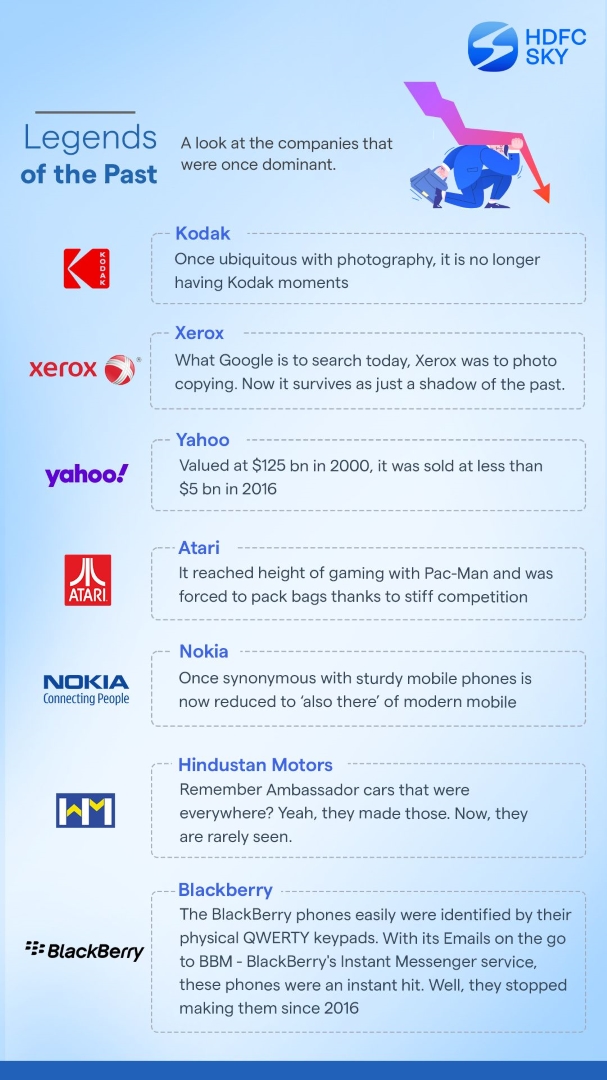
As companies go through these cycles over time, they need to constantly learn and adapt. It is important for all organizations to keep reinventing themselves in some way to continue the growth story.
It is also equally important for investors to identify which stage of the business cycle a company is in before making investment decisions. The idea is to identify companies early in their growth stage and ride the wave of their growth, instead of finding companies heading into a decline stage.
Related Articles