- Offerings
- Tools & Platforms
Tools & Calculators
- Open API
- Calculators
- SIP Calculator
- CAGR Calculator
- Compound Interest Calculator
- FD Calculator
- RD Calculator
- EPF Calculator
- Retirement Calculator
- HDFC SIP Calculator
- Mutual Fund Return Calculator
- Lumpsum Calculator
- Step Up SIP Calculator
- ETF SIP Calculator
- Brokerage Calculator
- Equity Margin Calculator
- SWP Calculator
- EMI Calculator
- MTF Calculator
- Pricing
- SKY Learn
- Mutual Funds
- Margin Trading
- Financial Planning
- Personal Finance
- Share Trading
- IPO
- Derivatives
- Currencies
- Intraday Trading
- Trading Strategies
- Demat Account
- Commodity
- ETF
Commodity Exchanges in India: Role of MCX and NCDEX Explained
By Shishta Dutta | Updated at: May 16, 2025 04:05 PM IST
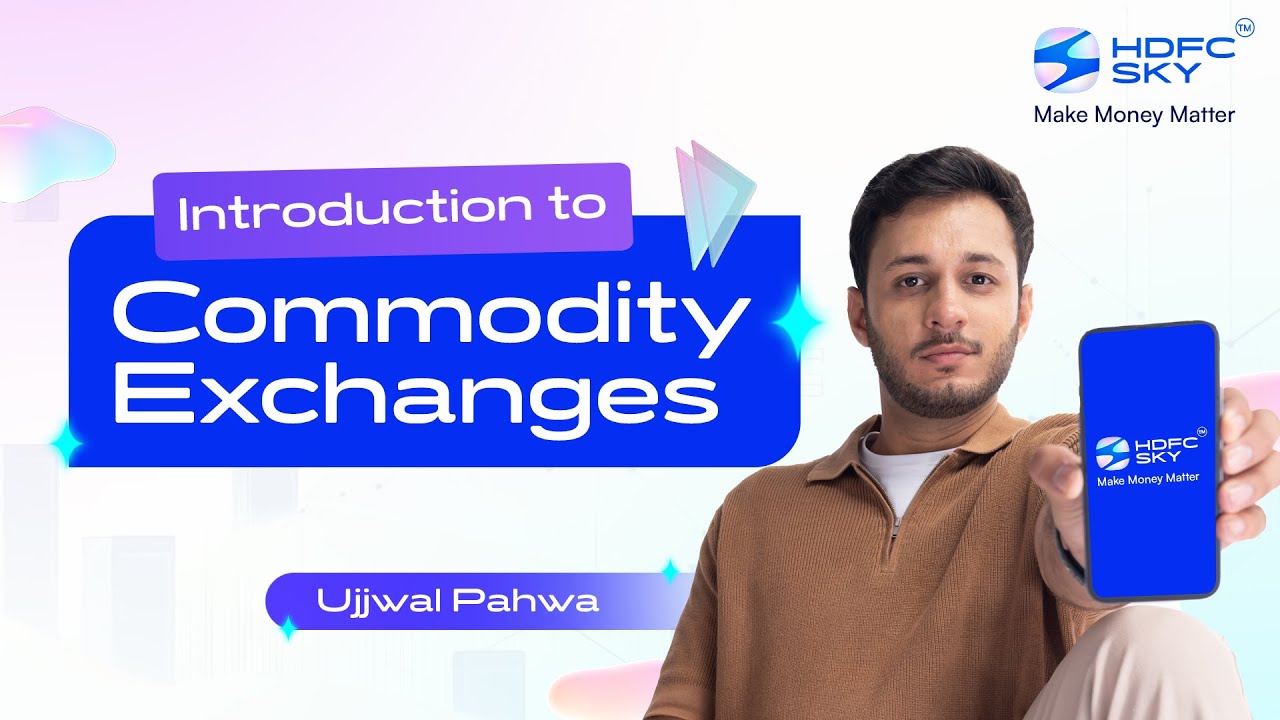
The commodity exchange market in India has transformed the way businesses and farmers handle price risk. Commodity exchanges in India provide a forum for buyers and sellers to trade futures contracts and lock in prices for agricultural and non-agricultural commodities, decreasing uncertainty. The Multi Commodity Exchange (MCX) and the National Commodity and Derivatives Exchange (NCDEX) are India’s two largest commodity trading platforms.
MCX, headquartered in Mumbai since 2003, facilitates trading across various commodities, including energy commodities like oil and gas and metals trading in gold, silver, and other base metals. On the other hand, NCDEX focuses more on agricultural commodities, making it the go-to platform for trading products like wheat, pulses, and spices.
These exchanges operate under SEBI’s strict regulatory framework to ensure transparency and safeguard against unfair practices. SEBI’s oversight guarantees that the commodity exchange market in India remains fair, offering traders the confidence needed to participate. However, it is important to note that stock-specific recommendations are not allowed on these platforms, ensuring the focus remains on general market trends and commodity futures rather than individual stock picking.
Commodity trading in India enables enterprises to hedge against price fluctuations. For example, a farmer concerned about a reduction in wheat prices can sell futures on NCDEX to lock in a current price. Similarly, manufacturers who are concerned about price rises might buy futures to ensure a consistent supply at a fixed rate.
The Indian commodity market provides traders with the opportunity to profit from price swings, but they must be aware of the inherent hazards. Trading commodity futures can be profitable, but it exposes investors to possible losses owing to market swings.
Conclusion
Finally, platforms such as MCX and NCDEX play an important role in India’s commodity exchange market, allowing participants to hedge risks and stabilise their business operations without relying on stock recommendations.
Related Articles
FAQs on Commodity Exchanges in India
What risks are associated with trading in commodity exchanges?
The commodities exchange market in India is characterised by price volatility and market risk. Participants must be aware that global demand-supply fluctuations, geopolitical happenings, and natural calamities can all have a substantial impact on prices, potentially resulting in financial losses.
How can one participate in commodity trading on MCX and NCDEX?
Individuals must open a trading account with a registered broker before participating in commodity trading markets in India. Once registered, users can trade agricultural commodities, energy commodities, and metals on the MCX and NCDEX.
What is SEBI's role in regulating commodity exchanges in India?
SEBI ensures that MCX and NCDEX function within regulatory guidelines, promoting transparency and fairness in the Indian commodity market. It enforces rules to prevent manipulation and protect market participants, creating a safer environment for trading.