- Offerings
- Tools & Platforms
Tools & Calculators
- Open API
- Calculators
- SIP Calculator
- CAGR Calculator
- Compound Interest Calculator
- FD Calculator
- RD Calculator
- EPF Calculator
- Retirement Calculator
- HDFC SIP Calculator
- Mutual Fund Return Calculator
- Lumpsum Calculator
- Step Up SIP Calculator
- ETF SIP Calculator
- Brokerage Calculator
- Equity Margin Calculator
- SWP Calculator
- EMI Calculator
- MTF Calculator
- Pricing
- SKY Learn
- Mutual Funds
- Margin Trading
- Financial Planning
- Personal Finance
- Share Trading
- IPO
- Derivatives
- Currencies
- Intraday Trading
- Trading Strategies
- Demat Account
- Commodity
- ETF
- What is Commodity Market?
- How Commodity Markets Work?
- How To Trade in Commodity Market?
- Different Types of Commodity Market in India
- Types of Commodities
- Importance Of Investing in The Commodities Market
- How Are Prices Determined in Commodities Exchange?
- Investment Strategies in the Commodity Market
- Commodity Market vs Stock Market
- Benefits of Commodity Market
- Limitations of Commodity Market
- Things to Note About Commodity Trading in India
- Conclusion
- FAQs on What is Commodity Market
- What is Commodity Market?
- How Commodity Markets Work?
- How To Trade in Commodity Market?
- Different Types of Commodity Market in India
- Types of Commodities
- Importance Of Investing in The Commodities Market
- How Are Prices Determined in Commodities Exchange?
- Investment Strategies in the Commodity Market
- Commodity Market vs Stock Market
- Benefits of Commodity Market
- Limitations of Commodity Market
- Things to Note About Commodity Trading in India
- Conclusion
- FAQs on What is Commodity Market
What is Commodity Market & How To Start Trading in the Commodity Market?
By Shishta Dutta | Updated at: Oct 17, 2025 03:12 PM IST
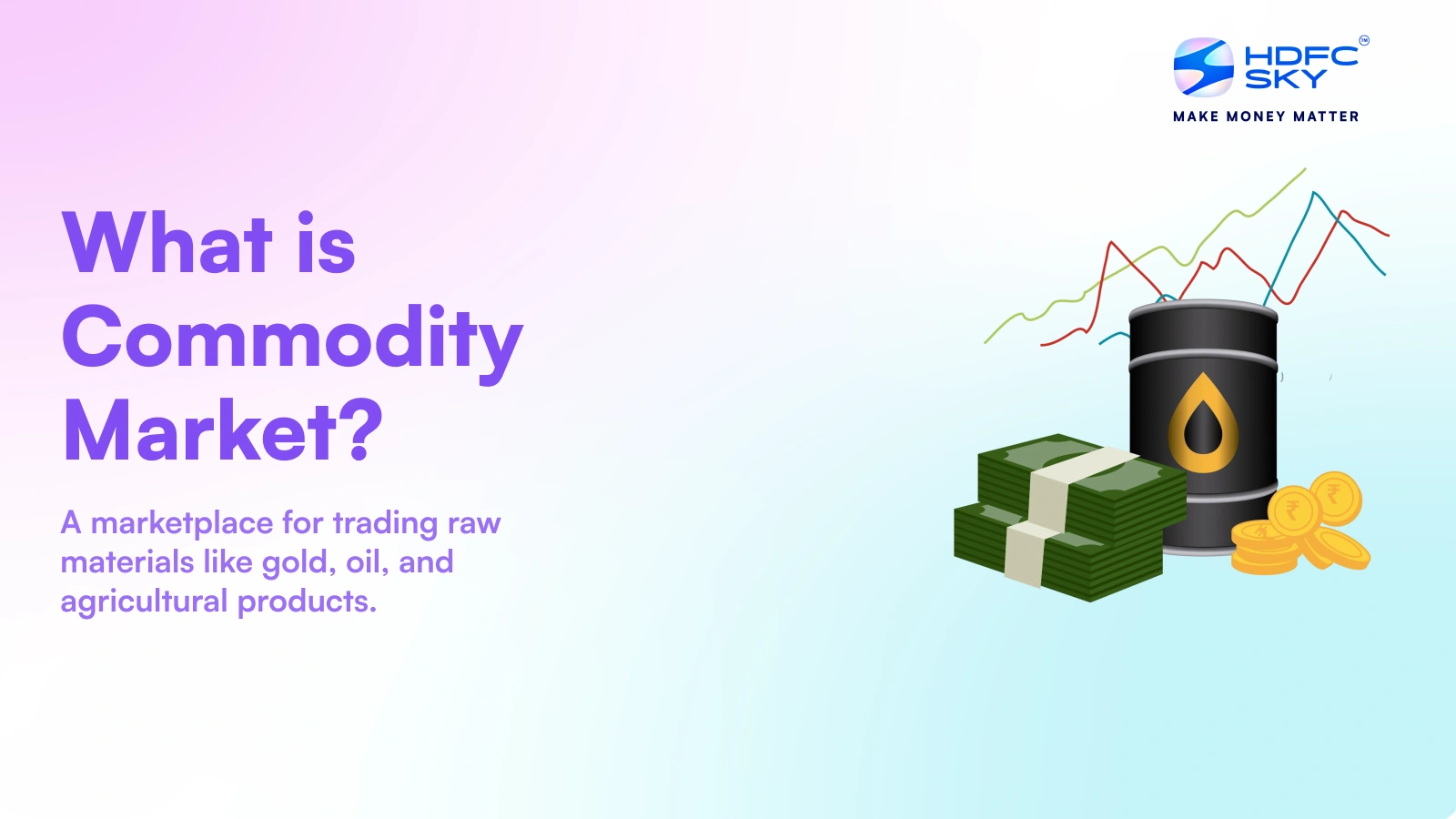
The commodity market is a marketplace where raw or primary products like gold, silver, crude oil, agricultural goods and metals are traded. Investors, traders and producers participate in this market to hedge against price fluctuations, speculate or ensure supply stability. It plays an important role in balancing global demand and supply for essential goods.
What is Commodity Market?
Commodity market meaning refers to a marketplace where buyers and sellers trade in raw or primary products like metals, energy and agricultural goods. The commodity market helps determine prices based on supply and demand and allows participants to hedge against price volatility through futures and options trading.
How Commodity Markets Work?
The workings of the commodity market are primarily in two main areas: the spot market and the derivatives market. In the spot market, commodities are traded with real-time delivery. “On the spot,” which means buyers and sellers trade the commodity immediately at the actual market price.
In the derivatives market for commodities trades in futures and options contracts on commodities are done. These contracts obligate traders to fix a price for a commodity to be delivered at a specified future date. Hedging of commodities, investments and speculation can be done in derivatives market of commodities.
For example, Futures contracts are critical for producers and consumers alike for managing the price risk. Commodity exchanges play a core role in expediting these trades and maintaining transparency and efficiency in the commodity market.
How To Trade in Commodity Market?
Listed below are the steps needed to commence trading in the commodities market
- Open a Trading Account: Register with a reputed and reliable broker on a government-approved exchange like MCX in India.
- Learn the Market: Understand commodities and identify the ones that yield gains that align with your risk appetite and financial goals. For example, gold and crude oil are extremely reactive to global events, causing price fluctuations.
- Start Small with Futures: It is highly recommended that new traders start small while trading in futures contracts. This allows them to mitigate risks and protect their capital until they are familiar with the market.
- Practice: Consistency and discipline are key to making better investment or trading decisions, with regard to commodities.
- Stay Updated: Staying updated with current market affairs and trends to make informed trading decisions and take calculated risks.
Different Types of Commodity Market in India
There are primarily two types of commodity markets that cater to different trading needs:
- Spot Market: In this market, commodities are bought and sold for immediate delivery and payment. Prices reflect current supply and demand.
- Futures Market: Here, commodities are traded via contracts for delivery at a future date. It helps in hedging price risks and is widely used by traders and investors.
Types of Commodities
Commodities are broadly categorised based on their nature and usage in the economy. The main types include:
- Agricultural Commodities: Includes wheat, rice, cotton, sugar, coffee, etc.
- Energy Commodities: Such as crude oil, natural gas, gasoline, etc.
- Metals: Further divided into:
- Precious Metals: Gold, silver, platinum
- Industrial Metals: Copper, aluminum, zinc
- Livestock and Meat: Includes cattle, hogs and other animal products
Importance Of Investing in The Commodities Market
Investing in commodities provides diversification, acts as a hedge against inflation and can offer substantial returns during market volatility.
- Portfolio Diversification: Commodities reduce dependence on traditional assets like stocks and bonds.
- Inflation Hedge: Commodity prices often rise with inflation, protecting real wealth.
- High Return Potential: Market volatility can lead to short-term profit opportunities.
- Global Demand Link: Commodity prices reflect global economic trends, offering macroeconomic insight.
- Liquidity: Many commodity contracts are highly liquid, enabling easier entry and exit.
How Are Prices Determined in Commodities Exchange?
Commodity prices are influenced by market forces of supply and demand, along with other global and economic factors.
- Supply & Demand: Shortage or surplus impacts prices.
- Weather Conditions: Affects agricultural commodities.
- Geopolitical Events: Conflicts or trade issues impact oil, metals, etc.
- Currency Fluctuations: A stronger dollar can lower commodity prices.
- Government Policies: Taxes, subsidies or trade bans affect pricing.
- Market Speculation: Trader sentiment and futures trading also influence price movements.
Investment Strategies in the Commodity Market
Investing in commodities requires a well-thought-out strategy to manage risk and maximise returns.
- Futures Contracts: Buy or sell a commodity at a set price for future delivery.
- Diversification: Spread investments across various commodities (like gold, oil and agriculture).
- Hedging: Used by producers or consumers to lock in prices and avoid losses.
- Trend Following: Use technical analysis to follow market trends.
- Buy and Hold: Suitable for long-term investments in stable commodities like gold.
- Exchange-Traded Funds (ETFs): Invest in commodity-linked ETFs for easier exposure.
- Commodity Stocks: Invest in companies that produce commodities (like mining or energy firms).
- Options Trading: Use commodity options for controlled risk exposure.
Each strategy depends on your risk tolerance, investment goals and market understanding.
Commodity Market vs Stock Market
| Aspect | Commodity Market | Stock Market |
| Asset | Commodities such as precious metals and crude oil | Stocks and shares |
| Exchanges | Multi Commodity Exchange, National Commodity and Derivatives Exchange etc. | National Stock Exchange, Bombay Stock Exchange |
| Trading Instruments | Futures, Options, Derivatives | Shares, ETFs, Bonds, IPO |
| Market Influencers | Global supply-demand dynamics, geopolitical situation, economic indicators etc. | Industry performance, economic indicators etc. |
| Risk Level | Varies | Varies |
Benefits of Commodity Market
The commodity market provides investors with opportunities to diversify portfolios and hedge against inflation. It plays an important role in the global economy by ensuring price determination and risk management.
- Diversification: Commodities often move independently of stocks and bonds, helping reduce overall portfolio risk.
- Inflation Hedge: Commodity prices tend to rise with inflation, protecting purchasing power.
- Liquidity: Many commodity markets are highly liquid, allowing easy entry and exit.
- Profit Potential: Volatile price movements offer opportunities for significant gains.
- Price Determination: Facilitates transparent pricing based on global supply and demand.
- Risk Management: Allows producers and consumers to hedge against price fluctuations.
Limitations of Commodity Market
While commodity markets offer unique investment opportunities, they come with certain challenges that investors must be aware of. These limitations can affect profitability and risk management.
- High Volatility: Commodity prices can be extremely volatile due to factors like weather, geopolitical tensions and supply-demand imbalances.
- Requires Expertise: Successful trading demands deep knowledge of global markets, economic indicators and commodity-specific trends.
- Leverage Risk: Although leverage can amplify gains, it also increases the potential for significant losses.
- Limited Information Access: Retail investors may face difficulties accessing timely and accurate market data.
- Regulatory Risks: Changes in government policies or regulations can impact market dynamics abruptly.
- Storage and Quality Issues: Physical commodities may require storage facilities and face quality degradation, complicating delivery and trading.
Things to Note About Commodity Trading in India
Commodity trading in India is regulated and offers opportunities but requires awareness of market rules and risks.
- Regulatory Authority: Regulated by SEBI and FMC for transparency and protection.
- Market Platforms: Major exchanges include MCX, NCDEX and NMCE.
- Leverage Risk: High leverage can magnify both profits and losses.
- Volatility: Commodity prices can be highly volatile due to global events and weather.
- Contract Types: Understand futures contracts and expiry dates before trading.
- Taxation: Profits are subject to specific tax rules, including STT and capital gains tax.
- Research Needed: Requires staying updated on global supply-demand and geopolitical factors.
Conclusion
The commodity market serves as a key component of the global financial system, offering investors, traders and producers a platform to manage risks and explore profit opportunities. It helps maintain price stability, ensures efficient resource allocation and supports economic growth. While it provides diversification and protection against inflation, success in commodity trading requires proper knowledge, strategy and risk management. For Indian investors, regulated exchanges like MCX and NCDEX make participation more transparent and accessible.
Related Articles
FAQs on What is Commodity Market
What is traded in the commodity market?
In the commodity market, raw materials like gold, oil, silver, wheat, and other agricultural and natural resources are traded.
Who Can Participate in The Commodity Market?
Anybody with an active commodity trading account can participate in the commodity market. This could be an individual investors, institutional investments, hedgers, and speculators.
What Is the Role of Speculators in The Commodity Market?
Speculators play a crucial role in the commodity market by generating liquidity and aiding price discovery. They buy and sell futures contracts based on their expectations regarding future price movements, contributing to running of commodity market efficiently.